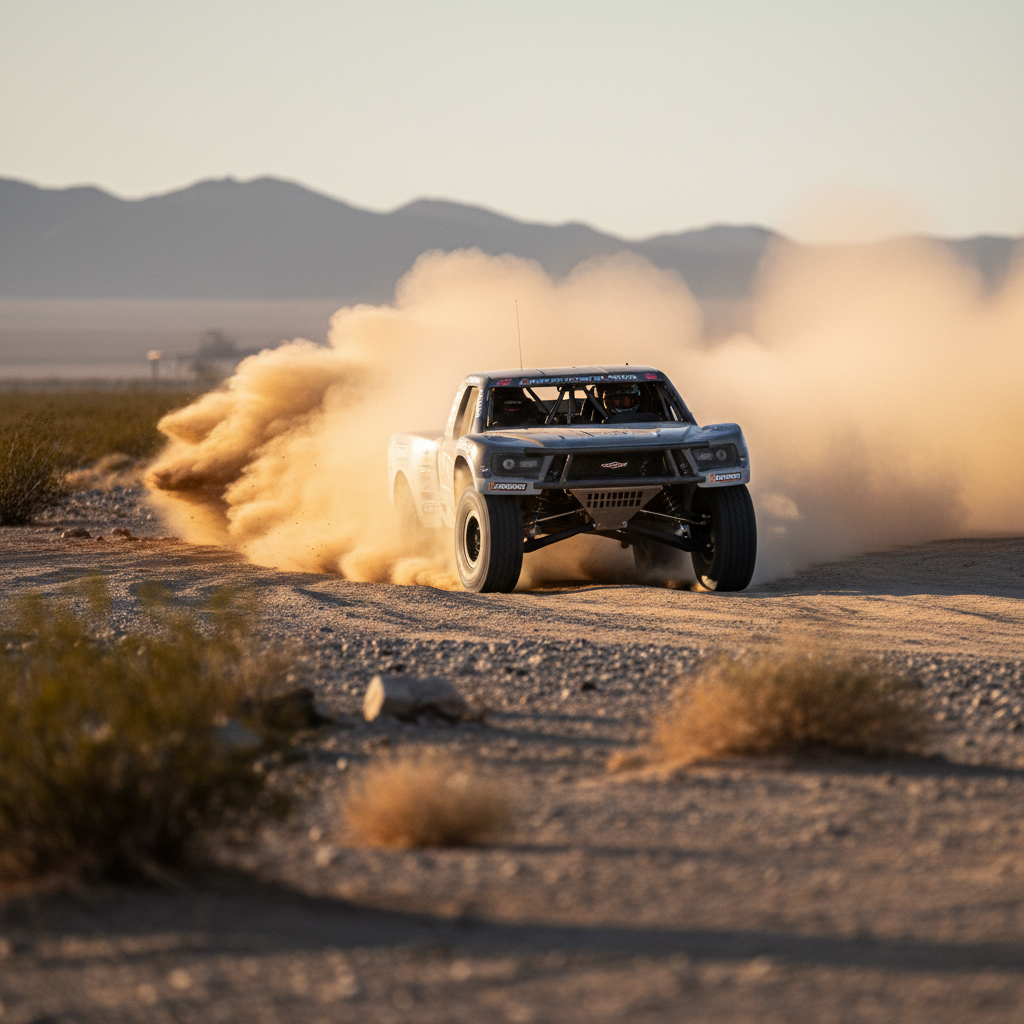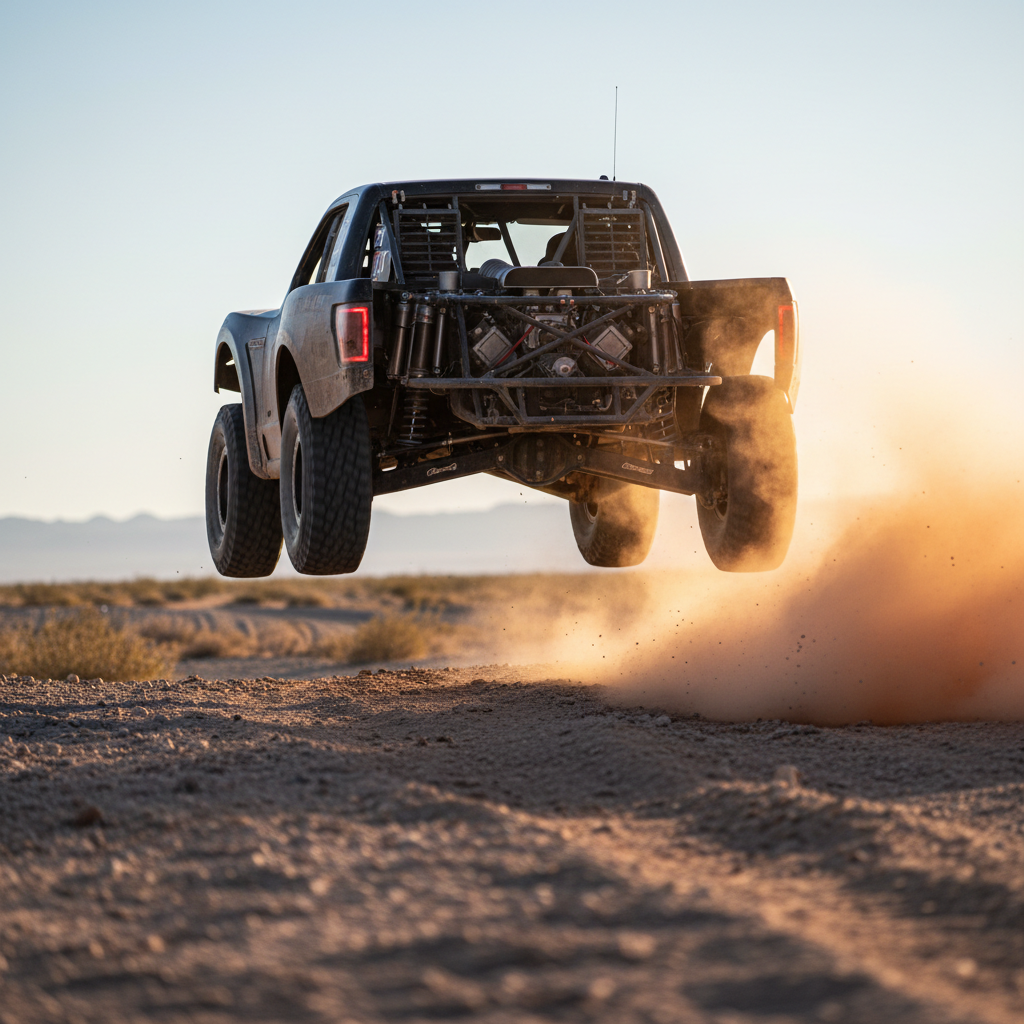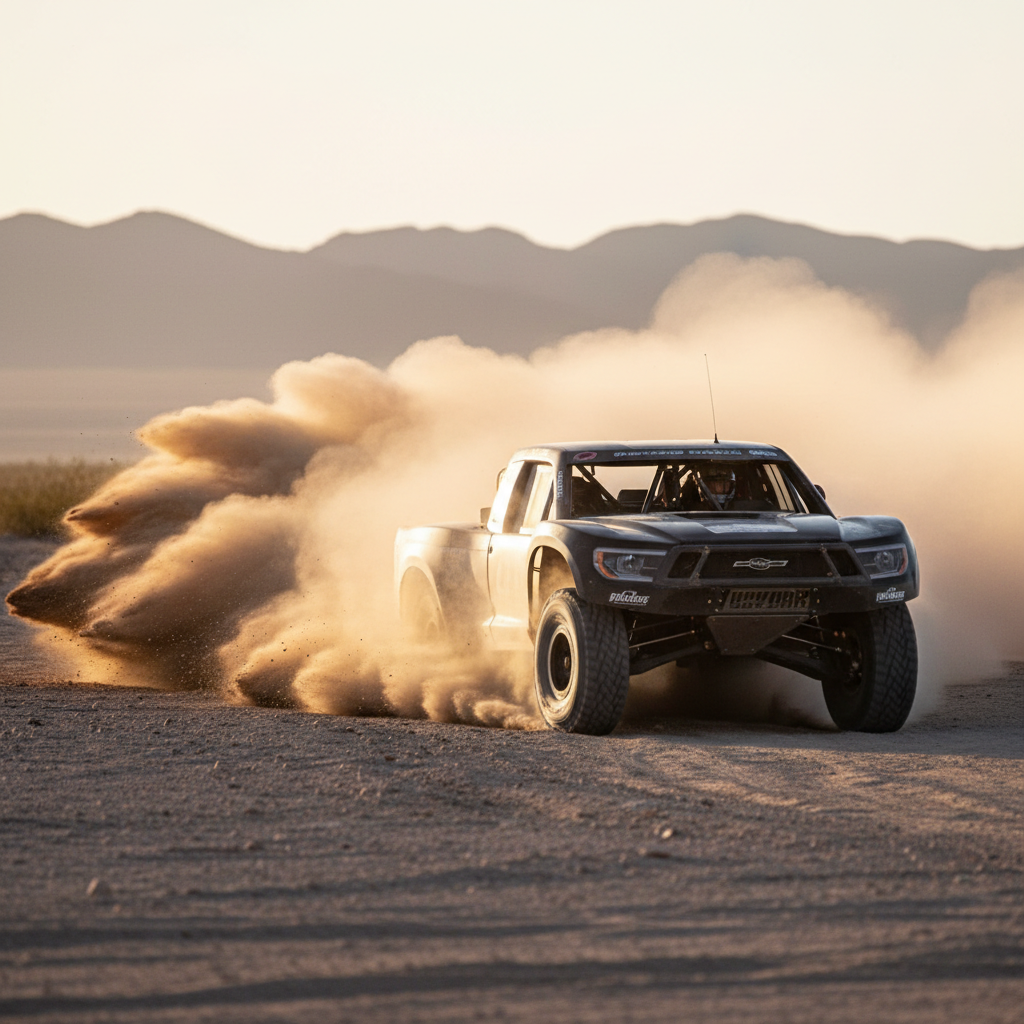
The recent news circulating about Cadillac's entry into Formula 1, and the initial performance struggles highlighted by Motorsport.com, offers an interesting parallel for those of us deeply entrenched in the world of desert racing. While F1 is a vastly different discipline, the underlying challenges of building a competitive program from the ground up, navigating political landscapes, and developing cutting-edge technology resonate across all forms of motorsport.
Motorsport.com's report, detailing Cadillac's F1 cars qualifying over four seconds off pole, underscores the immense hurdle of entering an established, top-tier series. For any manufacturer, especially one like Cadillac with a rich performance heritage, simply being 'on the grid' is a starting point, not the destination. This mirrors the trajectory of new teams or manufacturers entering the SCORE International or Best in the Desert circuits. The investment required in R&D, chassis development, engine tuning, and assembling a world-class chase crew is astronomical, and immediate success is rarely guaranteed.
From our vantage point in off-road, Cadillac's broader motorsport strategy is what truly captures attention. Their successful DPi program in IMSA, culminating in multiple championships, demonstrates their capability to engineer and execute at the highest levels of endurance racing. This experience, particularly in powertrain durability and advanced telemetry, could hypothetically translate into formidable assets should Cadillac ever choose to seriously re-engage with the unlimited class of desert racing, perhaps with a factory-backed Trophy Truck program or a more direct involvement in the Ultra4 scene.
The F1 narrative, despite its current struggles, is a testament to Cadillac's ambition to be a global performance brand. For desert racing, this signals a potential for increased OEM interest in off-road competition, driving innovation in areas like long-travel suspension geometry, advanced drivetrain components, and robust chassis design. While F1's aero packages and hybrid power units are far removed from the demands of the Baja 1000, the engineering discipline, resource allocation, and pursuit of marginal gains are universal. We'll be watching Cadillac's motorsport journey closely, not just for their F1 results, but for what their overarching strategy might mean for the future of performance off-road vehicles.