While the roar of Formula 1 engines at the Australian Grand Prix might seem a world away from the dust and grit of Baja, the strategic dilemmas faced by top-tier racing teams often echo across disciplines. Recently, former F1 star Juan Pablo Montoya voiced significant frustration over Ferrari's decision not to pit Charles Leclerc under virtual safety car (VSC) conditions, a move that ultimately cost the Maranello outfit track position and potential victory.
Montoya's 'surprised but not surprised' sentiment, as reported by motorsport.com, highlights a critical strategic crossroads: the high-stakes gamble of track position versus the undeniable advantage of fresh rubber or a timely fuel top-off under caution. In F1, a VSC allows for a 'cheap' pit stop, minimizing time lost to rivals. Ferrari's choice to stay out, despite Leclerc having taken the lead from George Russell early on, became a focal point of post-race analysis.
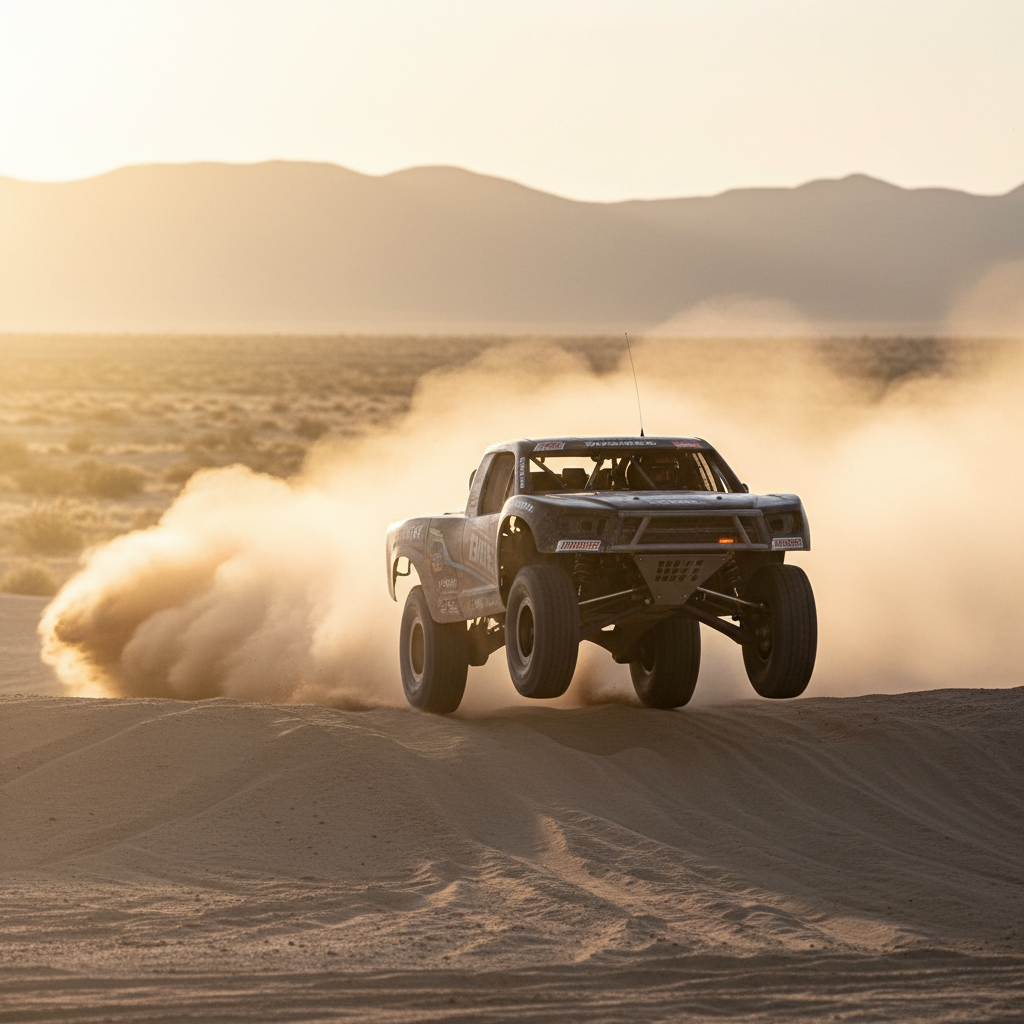
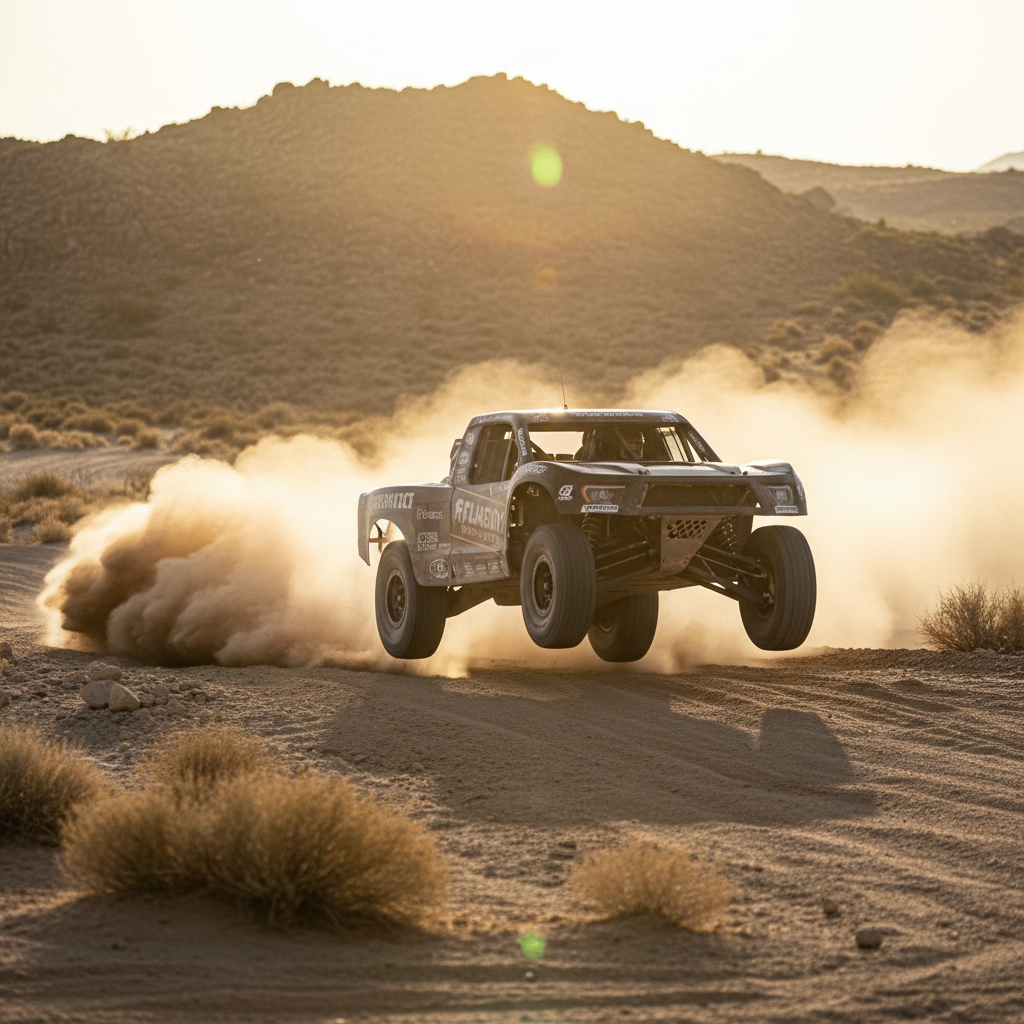
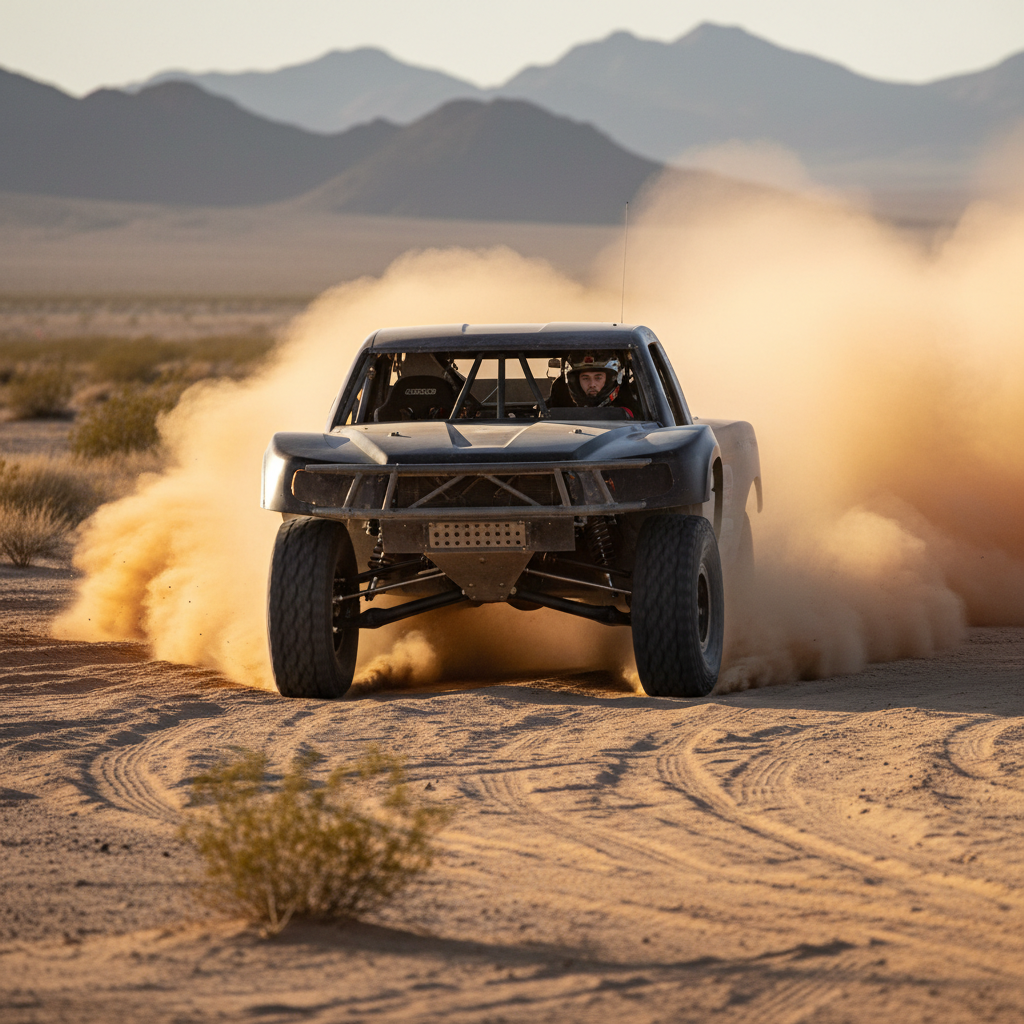
This F1 scenario resonates deeply within the desert racing community. Imagine a Trophy Truck battling through a brutal section of the Baja 1000, leading the pack, when a course caution or even a localized incident triggers a 'slow zone' or a full course yellow. The decision to pit for fuel, a tire change, or even a quick suspension adjustment becomes paramount. Does the team risk losing precious minutes and track position to a rival who might have just pitted, or do they push on, hoping their current setup and fuel load will carry them through to the next scheduled pit?
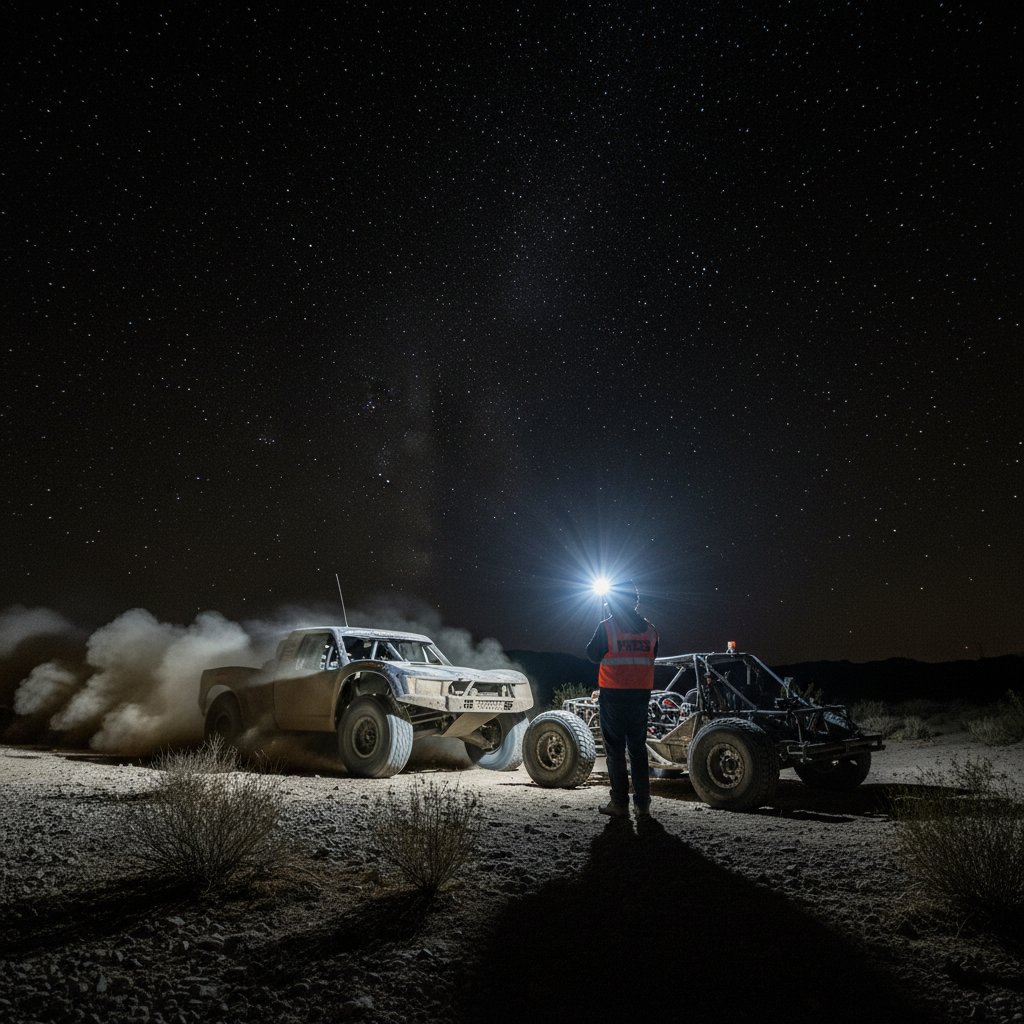
For a chase crew, the call is agonizing. A well-timed stop can be the difference between a podium finish and a DNF. Conversely, a missed opportunity under caution can hand the advantage to a competitor who capitalized on the 'free' time. Montoya's critique of Ferrari underscores that even at the pinnacle of motorsport, the fundamental principles of strategic pit management—weighing immediate gain against long-term race advantage—remain universal. It's a lesson that applies equally to the asphalt of Albert Park and the unforgiving terrain of the Nevada desert.