Las Vegas, NV – The unforgiving nature of dirt track racing was on full display Thursday night at the Las Vegas Motor Speedway dirt track, as NASCAR Cup Series driver Ty Gibbs experienced a harrowing incident during the High Limit Racing season opener. While Apex Racing typically focuses on the long-travel suspension and raw power of trophy trucks and desert racers, the physics of high-speed impacts and the resilience of modern safety equipment transcend disciplines, making this event noteworthy.
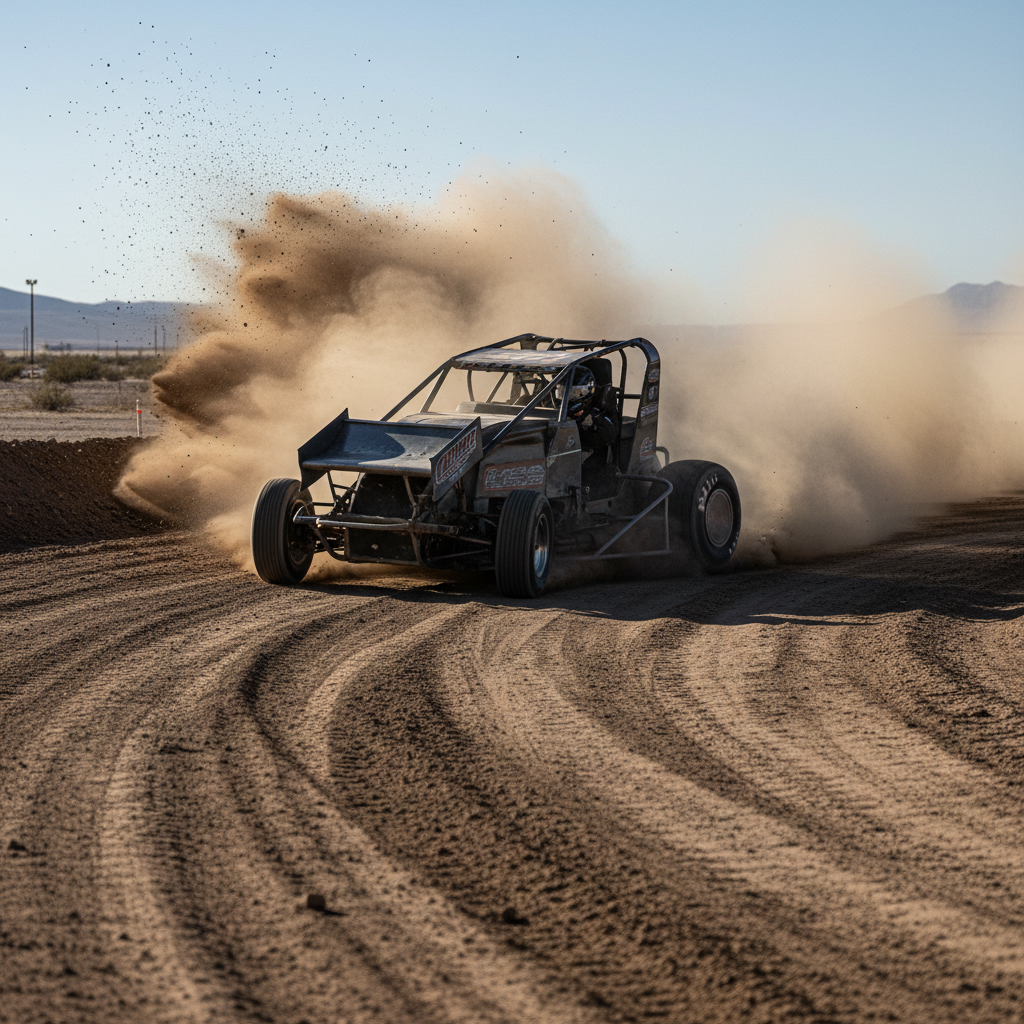
Gibbs, piloting a 410 winged sprint car, was reportedly running fourth in his heat race when contact with fellow competitor Corey Day sent his machine into a violent series of flips before coming to rest against the catch fence. The incident, which occurred just outside the 1.5-mile intermediate track where the NASCAR Cup Series will compete this weekend, underscored the immense forces at play in open-wheel dirt racing.
Fortunately, Gibbs emerged from the heavily damaged sprint car uninjured, a testament to the robust safety engineering prevalent in top-tier motorsport, from sprint cars to trophy trucks. The incident serves as a stark reminder of the fine line between pushing limits and exceeding them, a reality all too familiar to those who tackle the Baja peninsula or the unforgiving terrain of Best in the Desert events. While the vehicle dynamics of a 900-horsepower trophy truck airborne over a desert whoop section differ greatly from a winged sprint car on a banked dirt oval, the commitment to driver safety remains paramount across all disciplines.
For desert racing enthusiasts, seeing a mainstream NASCAR talent like Gibbs dabble in sprint car racing also speaks to the diverse skill sets and passion for speed shared across the motorsport spectrum. The ability to adapt to different vehicle types and racing surfaces is a hallmark of many top drivers, a trait often seen in those who transition between short course, desert, and even pavement racing.
Source: www.motorsport.com